
Multiple Dimensions of Identity

This image above succinctly illustrates how I perceived my identity and the various identity dimensions present within me as a first-year student at the University of Oregon (UO). The image also conveys how these identity dimensions were experienced in different ways as more or less salient. The core embodies personal attributes, characteristics, and identity (Abes, Jones, & McEwen, 2007) and the surrounding elements of identity support and constitute that core. These multiple dimensions of identity development are situated within multiple contexts: family background, sociocultural conditions, current experiences, and career decisions/life planning (Abes et al., 2007). While I had considered my socioeconomic, sexual orientation, and racial privilege, I was relatively obtuse to the extent of my social privilege. I also did not use the term “privilege” at this time and had yet to realize the weight of that word, concept, and social structure. I would also argue that I am still considering the extent of my privileges. Christianity was still mildly present in my life but I was not devout, which is represented by its noticeable distance from the core.
Scholarship as Good Company
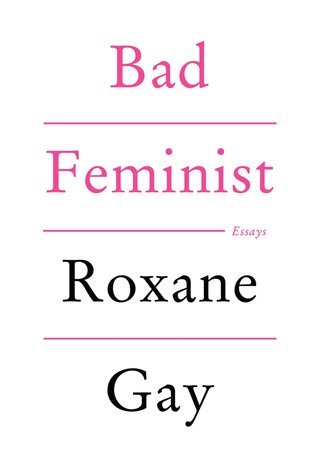
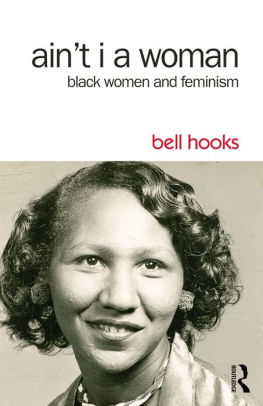
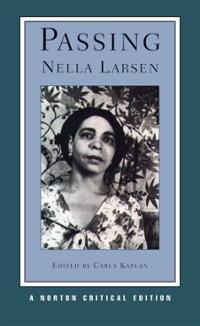
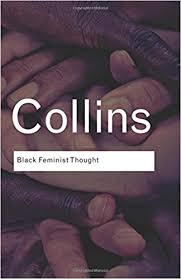
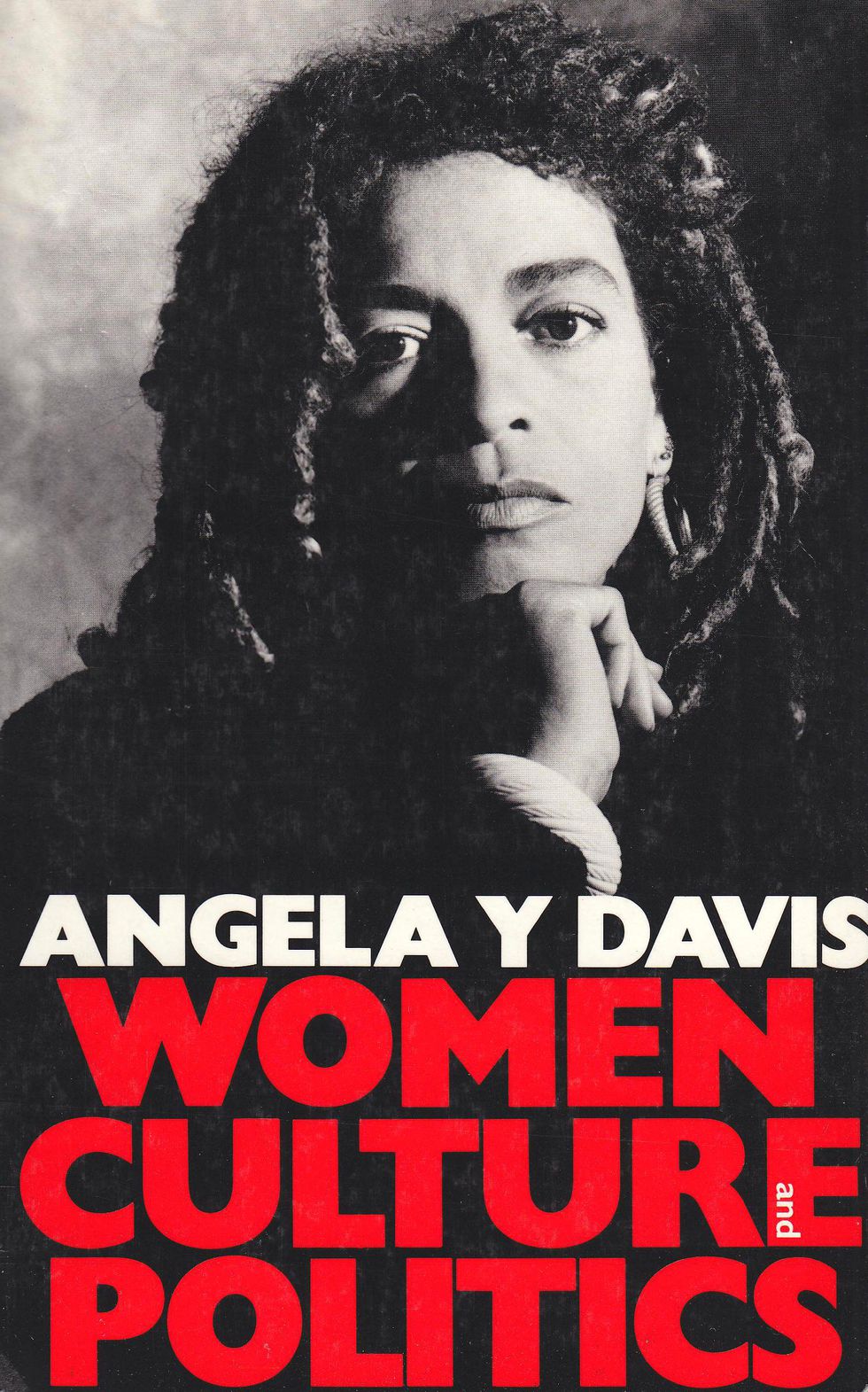
Several scholars and authors were instrumental in helping me explore the multidimensional aspects of my identity as an undergraduate. I am indebted to their work and insights.






Being Gendered and Raced
While developing this post I recalled a reflection piece I wrote as third-year undergraduate student, It focused on the first time I was “raced” and “gendered.” Although the reflection focuses on experiences prior to undergrad, it captures where I was in my thinking in regards to the multidimensional aspects of my identity. The following text is that reflection:
My first recollections of being gendered and race both occurred around the same time, but I remember them as distinctly separate events and they both elicited different responses.
When I was in the third grade the students in my class and I began state testing. State testing is rather tedious, but the most irritating part of the exam is filling out the personal and demographic information. On the exam there was a list of racial categories and we were asked to check the box that best applied, so I checked “White/Caucasian.” My skin color, or the thought of race, never noticeably entered my mind at that age, even though I knew which box to check, I attended schools with a racially and ethnically diverse student population, my best friend was Latina, and my family is mixed-race, so I was absolutely exposed to diversity, but not consciously aware of what that difference meant or what it represented. I looked at race everyday, but I never really observed race, and race never consciously shaped my identity at that age, so at the time, checking that box seemed natural and insignificant.
As I sit here writing, I can only think of the girls from The Bluest Eye who had a keen awareness of racial difference and the inferior label people of color hold in a White supremacist society. Because of my whiteness I was never made to feel like “the Other,” or made to feel inferior, so I was ignorant and indifferent, which is not excusable, but unsurprising.
In terms of being gendered, during grade school I was relentlessly teased for having “a boy name,” which I felt ashamed about because I am a girl. Students and teachers could never fathom how a girl could be named Ryan, because, even though I did not know it then, my name didn’t fit into their preconceived, socially constructed notions of girlhood and femininity. I even remember other children and adults telling me, “Well, you don’t look like a boy,” and then they would follow up with, “So why do you have a boy’s name?” So, as a young girl, by being ridiculed for my “boy name” I was constantly reminded of my gender and that my name, and therefore I, deviated from that gender and its prescribed roles.
So, while I was never made to feel abnormal or inferior in terms of race, or any other identity apart from gender, the teasing I received for my name was a slight introduction to the emotional control others can have in shaping how you view yourself, and for the longest time as a child I couldn’t wait until I turned 18 and I could legally change my name. I recognize that a name is changeable, unlike race, but it was an identity of mine and something I should never have had to feel like I needed to change about myself. Eventually I developed a love for my name that led to an improved self-valuation, which also enabled me to reject narrow opinions of femininity.
When thinking about being raced and gendered for the first time I couldn’t help but think of them as two separate events. Black feminist thought believes identities, more specifically oppressed identities, are inextricable and intersectional. Women of color will speak to how their life as a Black woman has shaped their identity, an identity that is duplicitously oppressed, but since my racial identity is privileged and my gender identity is oppressed, my identity as a White woman creates a polarization that seems to separate the two, and obviously creates a different lived experience where the two identities are not as inextricably linked in the way two oppressed identities are linked. Within Black feminism women discuss their experiences not as women and not as a Black person, but as Black women, so their experiences of being raced and gendered seem to occur simultaneously. In my experience, I can’t recall having that simultaneous experience of being raced and gendered and I attribute that to the dualistic nature of the two.
Reflection: Within my account of being raced and gendered for the first time I discuss developing a new self-valuation for myself and a core theme of Black feminist thought is Black women empowering themselves by creating self-definitions and self-valuations that enable them to establish positive images and reject negative, controlling representations of Black womanhood (Collins, 1990). Although the controlling images of Black women are severely more damaging and discriminatory, I can identify with narrow limitations being placed on me regarding femininity and that an identity of mine didn’t ascribe to those social constructions. I also discuss a certain awareness that Black women always have of their racial and gender identity due to the incessant Othering that occurs (Collins, 1990). Whereas when I first recall being raced I was really oblivious to that experience and it wasn’t something that continued to shaped the way I viewed or valued myself. A final point I discuss is oppressed identities being inextricably linked, and therefore intersecting systems of oppression are inextricably bound together, which is a defining feature Black feminist thought (Collins, 1990). I noted that within Black feminism there is a prominent importance of identity and how they intersect, but I tend to think of my experiences as White and a woman separately, which can potentially be explained by one of those identities being a privileged identity.

During my time at college, I was exposed to writings that challenged my complicity within a White supremacist, patriarchal and capitalistic system that oppresses and exploits historically underrepresented groups. They prompted me to discern and negotiate between what is right and what is socially sanctioned, and then act on what is right. They have empowered me to actively claim a voice through writing and conversation with friends and family. I relish the opportunity to share what I’ve learned with others, and even though I recognize from others, at times, a subtle apathy for what we’re discussing, it’s clear that doing what’s right and saying what’s necessary, feels far greater than doing or saying what’s expected.
I still find myself relenting at times when the discussion becomes tense or argumentative, and I do this for the sake of my relationships with these people, but I fear slipping back into that willful silence. I also wonder about the strength of my relationships if they can’t withstand difficult arguments. My Whiteness provides the privilege of having a platform to speak and to act, so any silence is inexcusable. After engaging with Black feminist thought I also realize that any silence from minorities, specifically women of color, is a forced silence, a subjugated silence, and particularly for Black women, this silence is not submission, but a form of survival in a White supremacist society, which ultimately becomes an act of resistance (Collins, 106, 108, 216).
Willful silence weighs heavily on a person, but stumbling into women and gender studies forced me to confront a legacy I had been cultivating for myself: compliance through silence. When I was first introduced to Audre Lorde’s Sister Outsider (1984) her statement, “what I most regretted were my silences,” (p. 41) resonated with me, because I was also guilty of “betraying myself into silences,” (p. 41) and betraying oppressed groups through silence and inaction, and this was the first time I had been confronted about that silence and inaction. Eventually, Lorde asks, “What are the words you do not yet have? What do you need to say? What are the tyrannies you swallow day by day and attempt to make you own, until you will sicken and die of them, still in silence?” (Lorde, 1984, p. 41) and a sense of fear washes over me, because I’m confronted with the unknown, the idea that my silence perpetuates an oppressive system, and the possibility that what I have to say will be insignificant. But I’m training myself to not “respect fear more than our own needs for language and definition,” (Lorde, 1984, p. 44) because silence from fear achieves nothing, nor does it make me feel secure. While I currently feel that the exact words I need to say are intangible and abstract, I will discover them as I stumble through life, and I do know, however, that what I do say will be honest, contemplative, and just, and will fully articulate my frustration, my rage, and my sadness about the injustices I experience and witness.
This image above succinctly illustrates the various identity dimensions present within me today. I am more mindful about different elements of my identity/privileges and they play a more integral role in the development of my core, especially my gender, ability, and education. I now identity as agnostic, which contributes to the my core’s formation, but I choose to visually omit it to represent that religious belief no longer plays a direct role in my life.
References:
Abes, E. S., Jones, S. R., & McEwen, M. K. (2007). Reconceptualizing the model of Multiple Dimensions of Identity: The role of meaning-making capacity in the construction of multiple identities. Journal of College Student Development, 48(1), 1-22. doi:10.1353/csd.2007.0000
Collins, P. H. (1990). Black feminist thought (2nd ed.). Abingdon, UK: Routledge.
Lorde, A. (1984). Sister outsider: Essays and speeches. Trumansburg, NY: Crossing Press.
 Neon Notions
Leave a comment